
Anamorphic Lens
A lens that squeezes the image sideways, producing wide frames, oval highlights and horizontal flares.
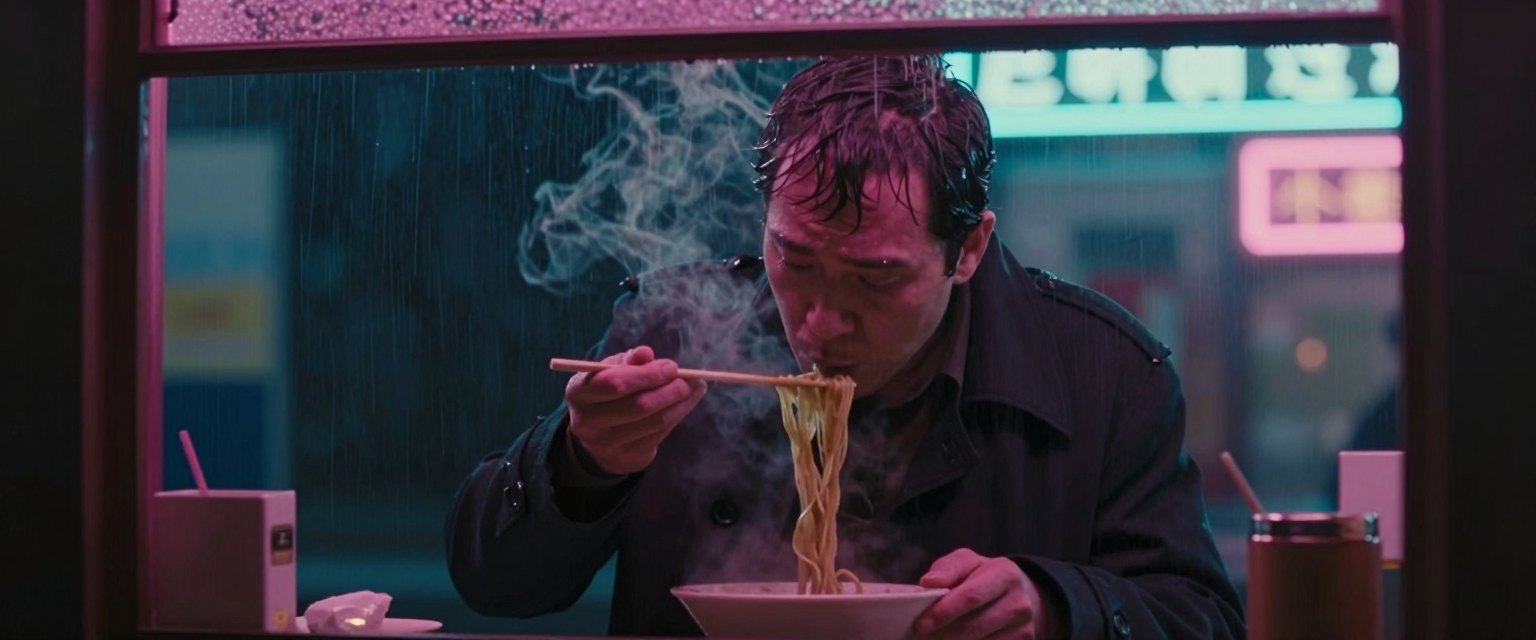
What it is
An anamorphic lens compresses the image horizontally when it is recorded, and the picture is stretched back when it is viewed. The result is a wider frame with a softer, more cinematic shape. Point lights turn into oval bokeh, and bright sources often throw long horizontal streaks across the frame. Focus falls off in a distinct way, so the subject stands out from a blurred background.
When to use it
A director picks this lens for night scenes, especially where light sources sit behind or around the subject. The streaks and oval blur add atmosphere and a sense of scale to an ordinary street or room. It also suits moments that should feel uneasy or dreamlike, because the flares make the background feel active and slightly unstable.
How to prompt it
Name the lens and its visible traits together, for example "anamorphic lens with horizontal lens flares and oval bokeh". Keep the flare language modest, since models can overdo streaks and wash out the subject. Veo, Kling, Runway, Sora, Seedance and Wan all respond better to describing the look than to the optics name alone.