Normal Lens
A lens whose view looks like natural human sight, with no obvious stretching or squeezing of space.
What it is
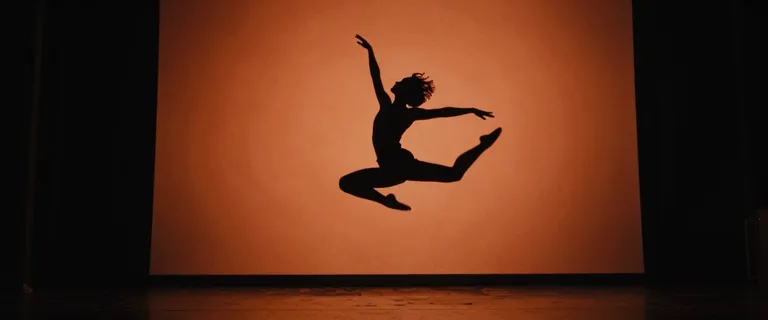
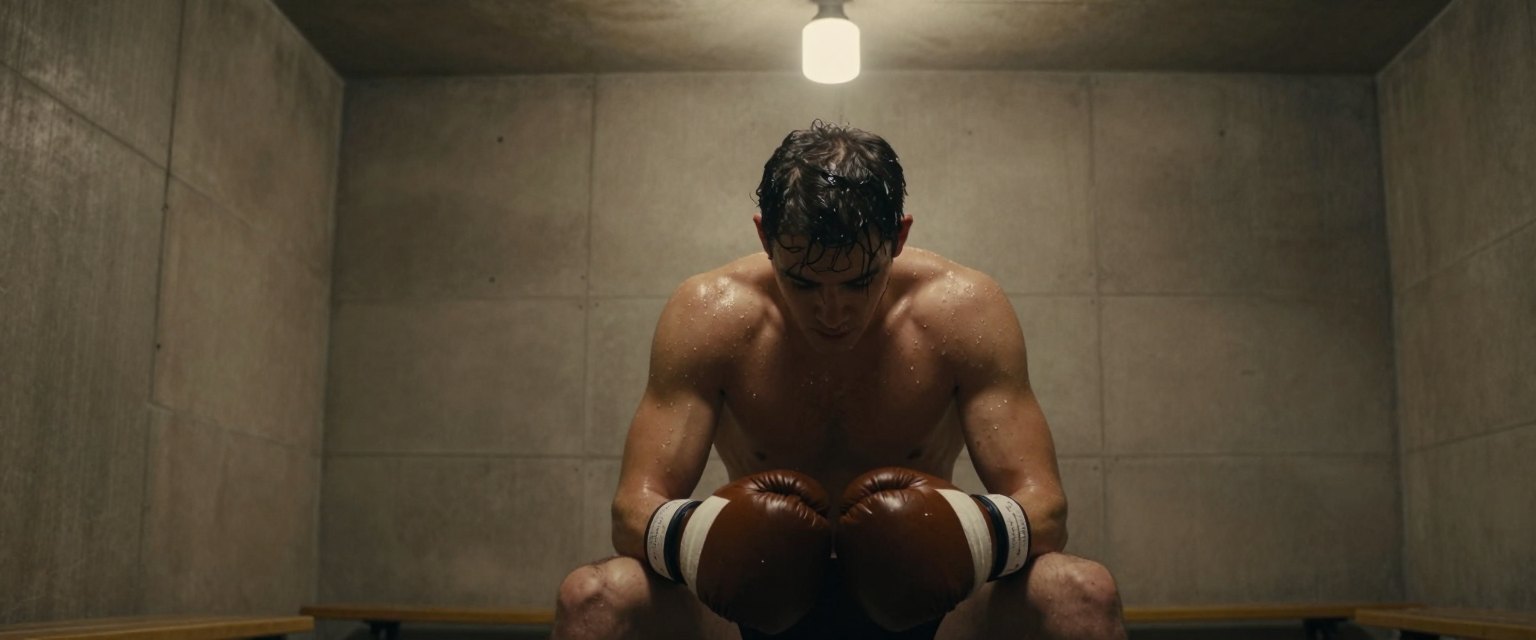
A normal lens has a focal length close to the diagonal of the sensor, so the perspective it produces matches what a person sees when standing still. Objects keep their apparent size and spacing relative to each other, and the background sits in believable proportion to the foreground. The 50mm lens in our library shots is the standard example. It does not exaggerate depth or flatten the scene, so it reads as an unmanipulated view.
When to use it
Directors choose a normal lens when the goal is an honest, grounded image that keeps the viewer close to the character's own perception. It suits intimate scenes, dialogue, and quiet moments where nothing should feel staged or distorted. Because it does not call attention to itself, the audience focuses on the people and their actions rather than on the camera.
How to prompt it
Name the lens directly, for example "50mm lens", and pair it with an eye-level or static camera so the model does not add dramatic distortion. Models such as Veo, Kling or Seedance respond well to the focal length plus a plain framing word like "medium shot". Avoid adding wide-angle or telephoto terms in the same prompt, since they conflict with the natural look.
21 examples in the library