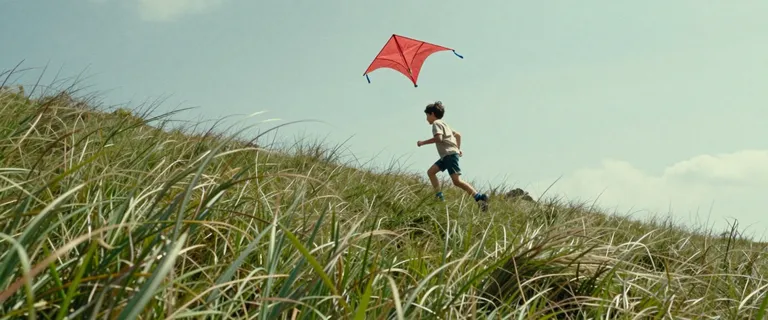
Follow Shot
The camera stays behind a moving subject and travels with them, so the viewer follows their path.
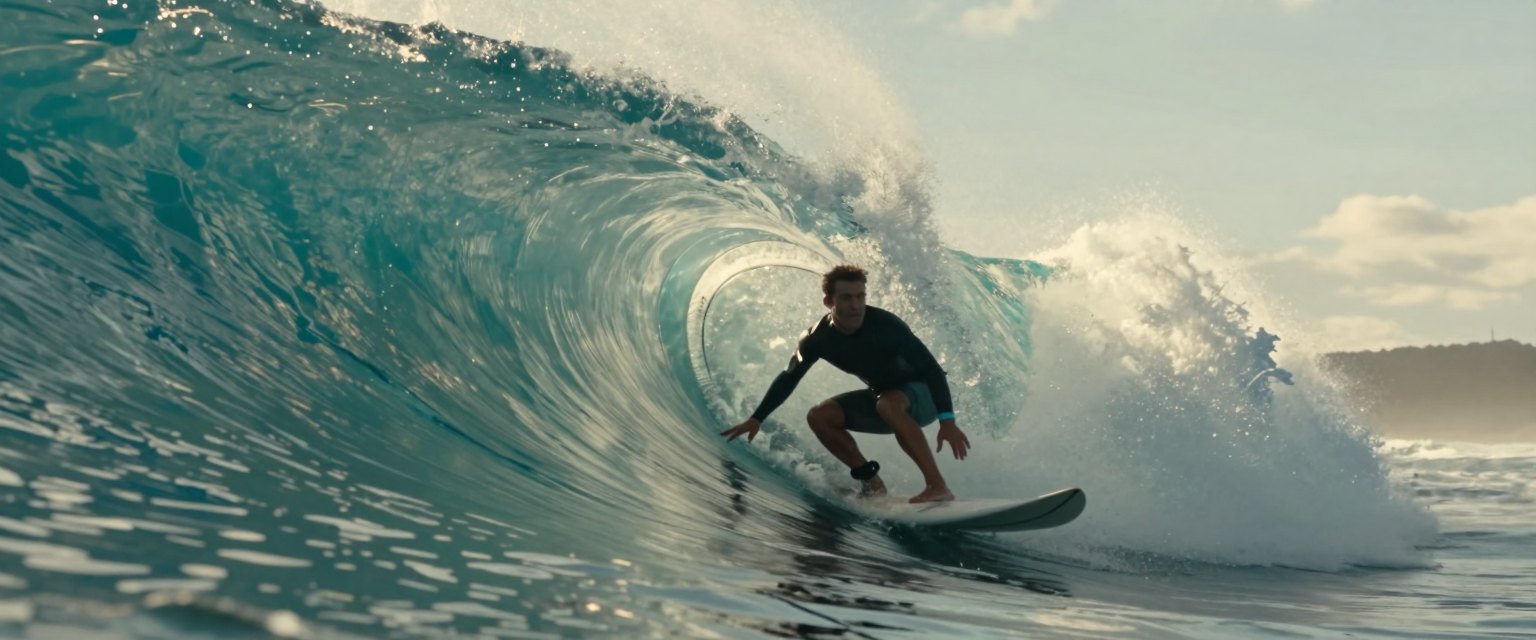
What it is
In a follow shot the camera sits behind the subject and moves at their pace, keeping their back or shoulder in frame. The viewer sees the space the subject is heading into, not the subject's face. The camera usually holds a steady distance, so the subject stays roughly in the same part of the frame.
When to use it
Directors use a follow shot to put the audience inside a character's journey and to make the walk feel personal. It works well when the viewer should wonder what lies ahead, because the frame reveals the path one step at a time. It can also lead the audience through a location and establish its layout.
How to prompt it
In Seedance, Kling, Veo, Sora, Runway or Wan, write 'follow shot from behind' and name the subject's direction of travel. Keep the camera distance fixed by saying it keeps pace with the subject. Avoid stacking orbit or pan words in the same line, since they pull the camera off the subject's path.
10 examples in the library