
Hero Shot
Low-angle framing that makes a subject look large, capable and central, often set against open sky or scale.
What it is
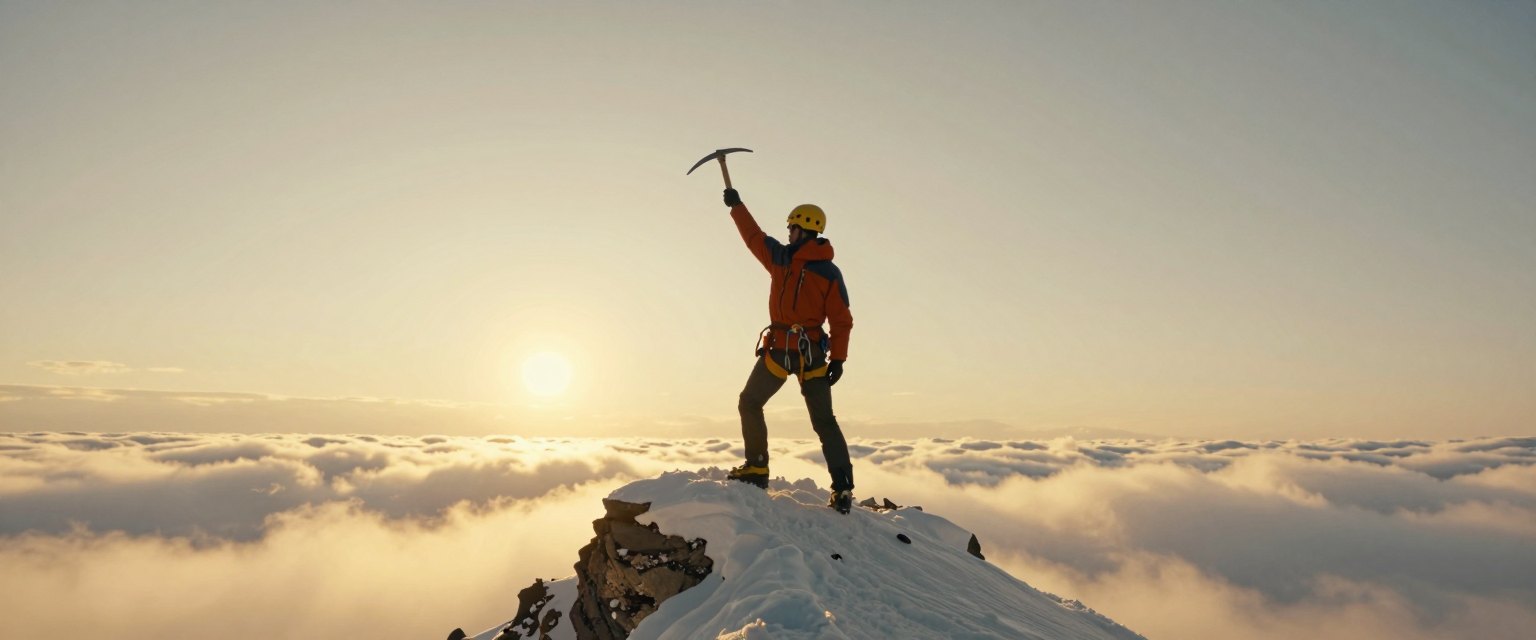
A hero shot places the camera low, looking up at a subject who stands alone in the frame. The lower viewpoint removes the ground from the picture and fills the background with sky, peaks, or a tall structure, so the subject appears to rise above their surroundings. The subject is usually centered or slightly off-axis and held still long enough to read as deliberate and resolved. The viewer is positioned beneath the subject, which gives them a sense of looking up to someone.
When to use it
A director uses a hero shot when a character reaches a moment of achievement, resolve, or authority and the film needs the audience to feel that weight. It suits arrivals, victories, lone stands, and the first clear view of a protagonist who will matter later. Wide or extreme-wide sizes add scale, so the person looks brave against a large landscape or a vast room. Using it too often flattens the emotion, so directors save it for the beats that earn it.
How to prompt it
In Seedance, Kling, Veo, Sora, Runway, or Wan, state the camera height first, for example 'low angle, camera below the subject looking up', then name the subject's pose and what fills the background, such as sky or clouds. Pair it with a lens length like 24mm to keep the wide scale, and a slow move or a static camera so the figure stays steady. Avoid vague words like 'epic'; describe the sky, light direction, and the subject's action instead.
10 examples in the library


