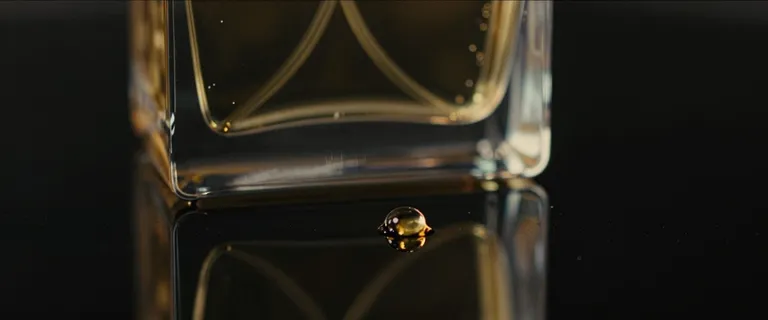
Macro Shot
Macro shot: a close lens view that makes very small subjects fill the frame with fine detail.

What it is
A macro shot uses a lens built to focus at very short distances, so a tiny object such as a gear, a seed or a drop of liquid fills the frame. The result reveals texture, edges and small movement that wider framing hides. Depth of field is very shallow, so only a thin slice of the subject is sharp while the rest falls into soft blur. The viewer feels physically close to the object, as if they could reach out and touch it.
When to use it
Directors use macro shots when a small detail carries meaning, such as hands doing precise work, a mechanism starting to run, or a drop landing on a surface. The shot suits moments where the audience should notice craft or a small change that matters to the story. Because the frame is so tight, it also creates intimacy and slows the pace of a scene.
How to prompt it
State the shot size and lens directly, for example "extreme close-up, 100mm macro lens", so the model understands the scale. Describe one clear action inside the frame and keep a single point of focus, since the sharp zone is thin. Models often drift in scale, so put the subject and its size near the start of the prompt. Seedance, Kling, Veo, Sora, Runway and Wan all respond well to explicit lens and framing terms.
8 examples in the library