
Top Light
Light falling straight down from above the subject, usually from a single source, shaping the face and body.
What it is
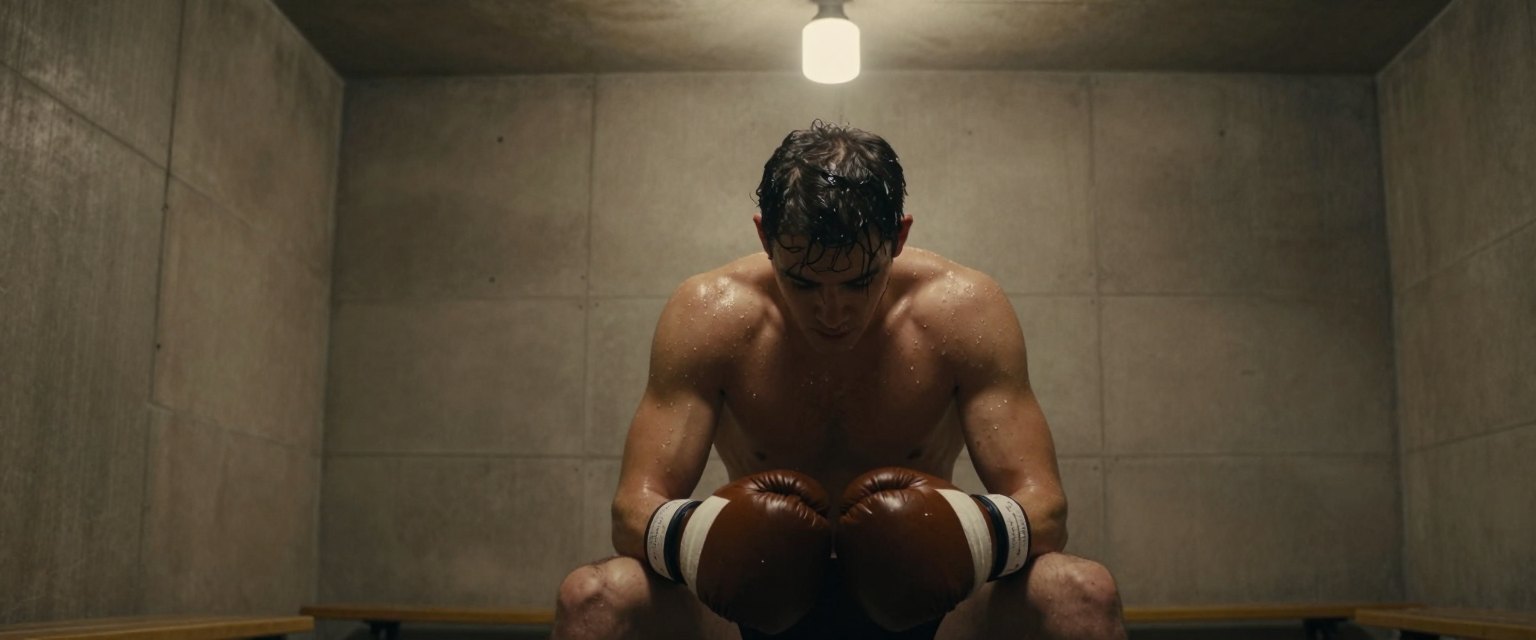
Top light comes from above the subject, so it hits the top of the head, the brow and the shoulders hardest, while the eyes, cheeks and under the chin fall into shadow. The shadows run downward, which makes a face look hollow or sculpted. Viewers read it as a bare overhead bulb, a stage spot or a single high window, so the subject feels isolated and exposed.
When to use it
Directors use top light for tension, isolation and a sense of judgment or ritual. A single bulb in a bare room can make a character look trapped. It also suits close shots of hands at work, because the light separates the action from its surroundings. Night interiors often rely on it because the source is motivated and easy to justify.
How to prompt it
Name the source and its effect instead of only writing "top light". Phrases like "single bare bulb overhead" or "hard light from directly above, eyes in shadow" give the model a clear physical setup. Keep it to one light source, since extra fill will flatten the effect. This works in Seedance, Kling, Veo, Sora, Runway and Wan.
5 examples in the library


